

Case Study: Healthcare
Client: Stockport NHS Foundation Trust
M&E Budget: £123,000
Completed: June 2026
Primary Services Used
- Project Manager
- Mechanical Engineering
- Pipe Fitting
- Electrical Engineering
- Validation Specialists,
Installation of Steam-to-Steam Sterilisers and Autoclave Equipment within the Pharmacy Sterile Services Department
Project Background:
Meel Group Projects delivered the installation of new BMM Weston steam-to-steam sterilisers and autoclave equipment within the Pharmacy Sterile Services Department, Block 68 at Stepping Hill Hospital in Stockport. The project formed part of the Trust’s investment in modernising critical sterilisation infrastructure, which supports the preparation and processing of sterile products and equipment.
Overview:
The upgraded systems provide reliable, validated sterilisation processes that support infection prevention requirements while ensuring compliance with healthcare engineering and pharmaceutical standards
Project Outline:
The BMM Weston steam-to-steam sterilisers and autoclaves deliver precise sterilisation of equipment, components, and materials through the controlled application of pressurised clean steam. The cycle eliminates bacteria, viruses, and other microorganisms by exposing items to exact temperatures and pressures for a validated duration.
Functions
The equipment has both front and rear sides, with the front side being used by the hospital staff.
Front Operational Side
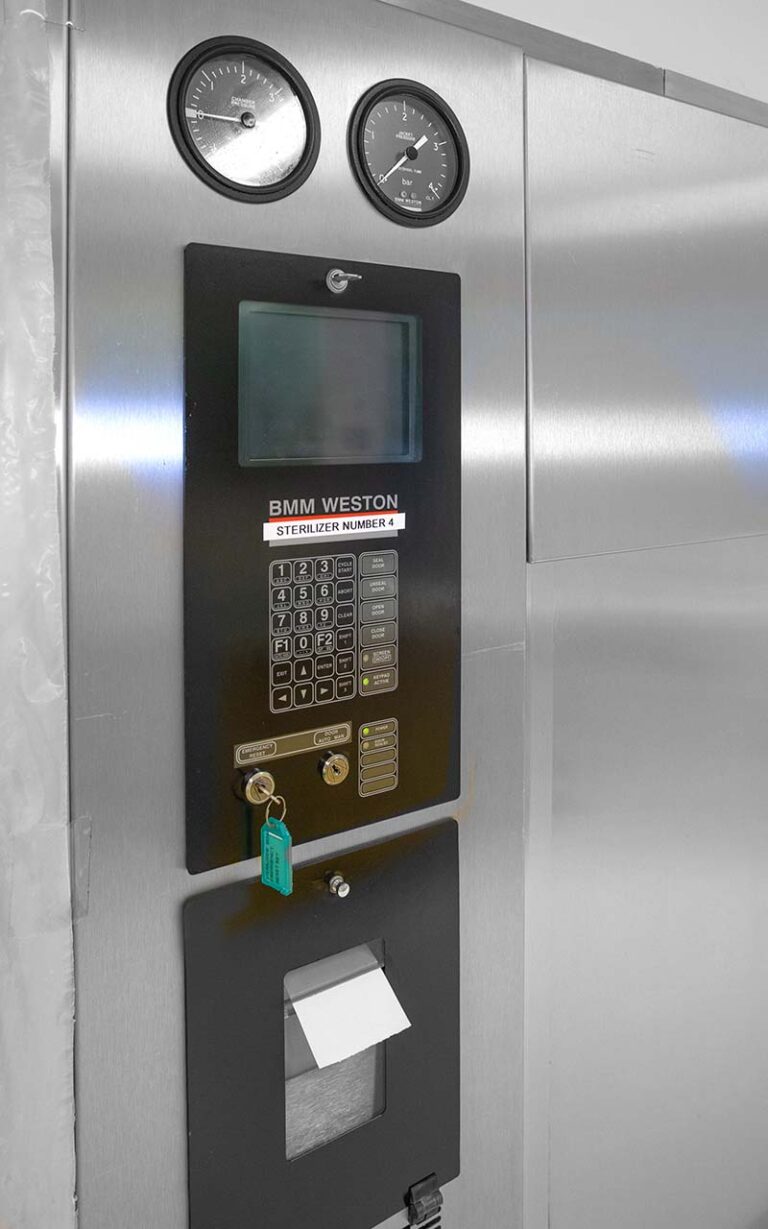
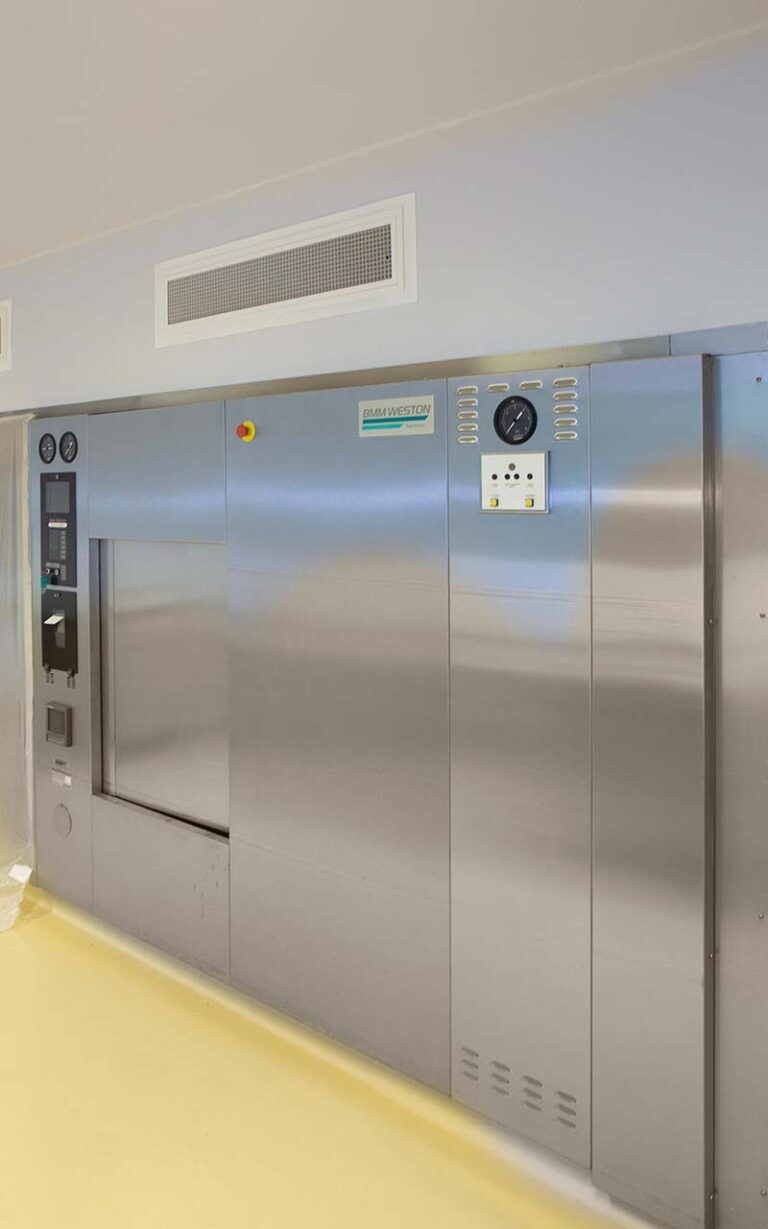
Sterilisation chamber, Automated door system, Operator control panel, Cycle monitoring interface, Loading and unloading area, Validation and alarm displays.
Rear Service Side
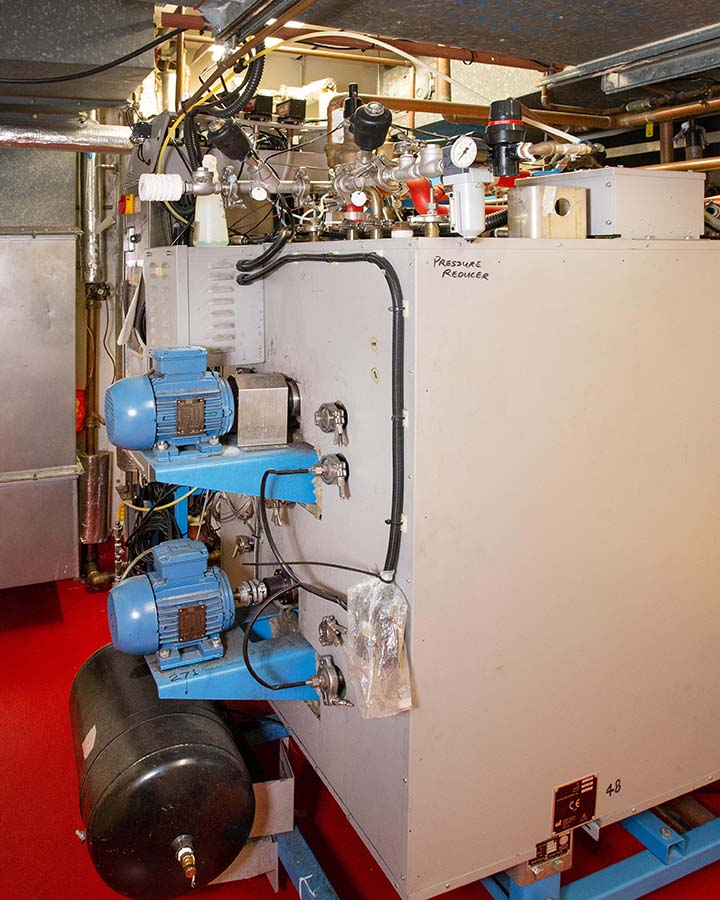
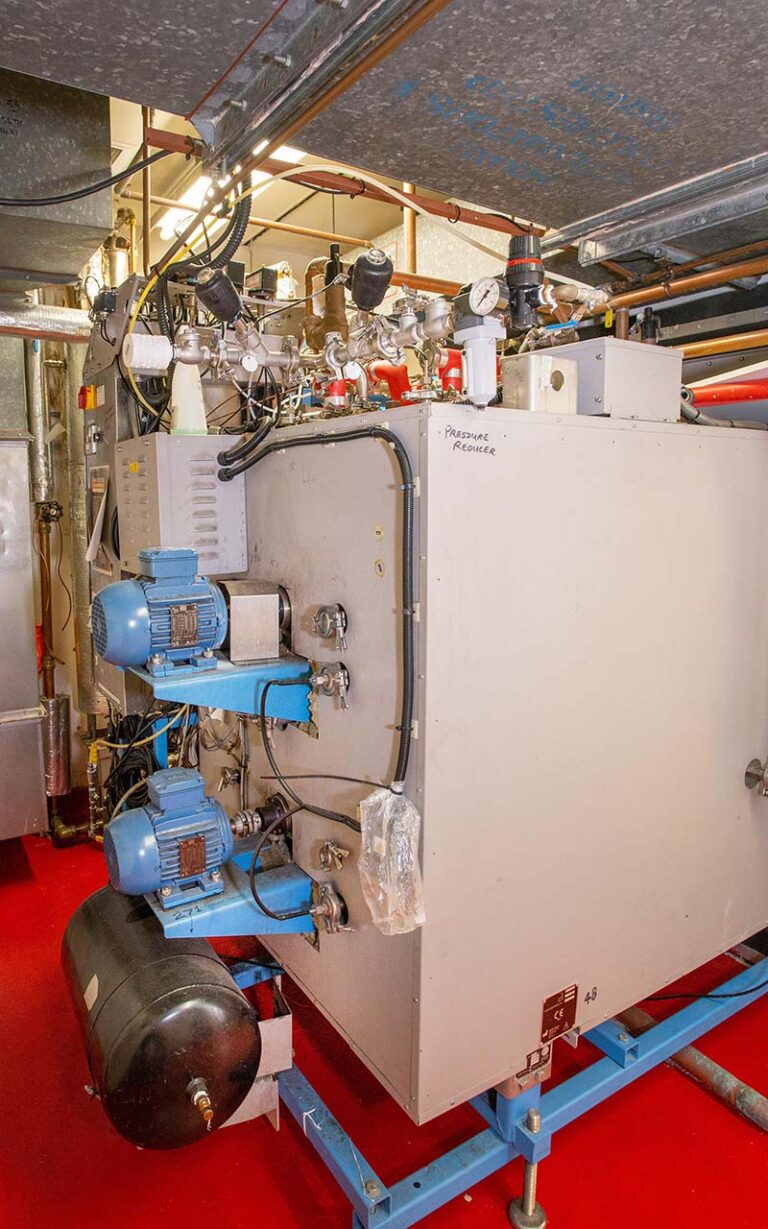
Steam generators and heat exchangers, Circulation pumps, Pressure vessels, Steam control valves, Water treatment connections, Drainage systems, Electrical control equipment, Instrumentation and sensors, Compressed air connections.
Mechanical Scope of Works
The works covered a wide range of services and were all carried out in accordance with current British Standards, Building Regulations, and HTM guidance. The work began with the removal of the existing sterilisation equipment.
The scope of the installation work included:
• Installation of new BMM Weston sterilisers and autoclaves
• Steam pipework installation
• Condensate return pipework
• Chilled water services
• Domestic water connections
• Drainage modifications
• Pressure control systems
• Mechanical plant modifications
• Thermal insulation
• Equipment positioning and fixing
• Testing and commissioning support
Project Challenges
This installation presented several complex challenges, as well as working within a live healthcare environment.
Managing the delivery within restricted service and plant spaces required meticulous planning, particularly when integrating complex utility connections into existing infrastructure. Furthermore, the project demanded strict adherence to tight programme constraints to ensure operational continuity for the hospital, all while maintaining compliance with stringent healthcare standards.
Overcoming the Challenges
To mitigate these risks, our team implemented a phased installation strategy. This approach relied on detailed upfront surveys, close coordination meetings, and meticulous service planning, allowing our engineers to successfully integrate the new equipment into the existing hospital infrastructure while minimising disruption to ongoing Pharmacy operations.

Compliance and Handover
The installation underwent comprehensive testing, commissioning and validation prior to handover. Documentation included:
• Mechanical commissioning certificates
• Electrical installation certificates
• Pressure testing records
• Validation reports
• Operation & Maintenance Manuals
• Asset information
• Staff familiarisation training
Project Result:
The successful installation of the new BMM Weston steam-to-steam sterilisers and autoclave equipment has provided the Pharmacy Sterile Services Department of the Hospital Trust, with a reliable and modern sterilisation capability.
The upgraded infrastructure improves operational resilience, supports compliance with healthcare standards and helps maintain the highest levels of patient safety and infection prevention.


